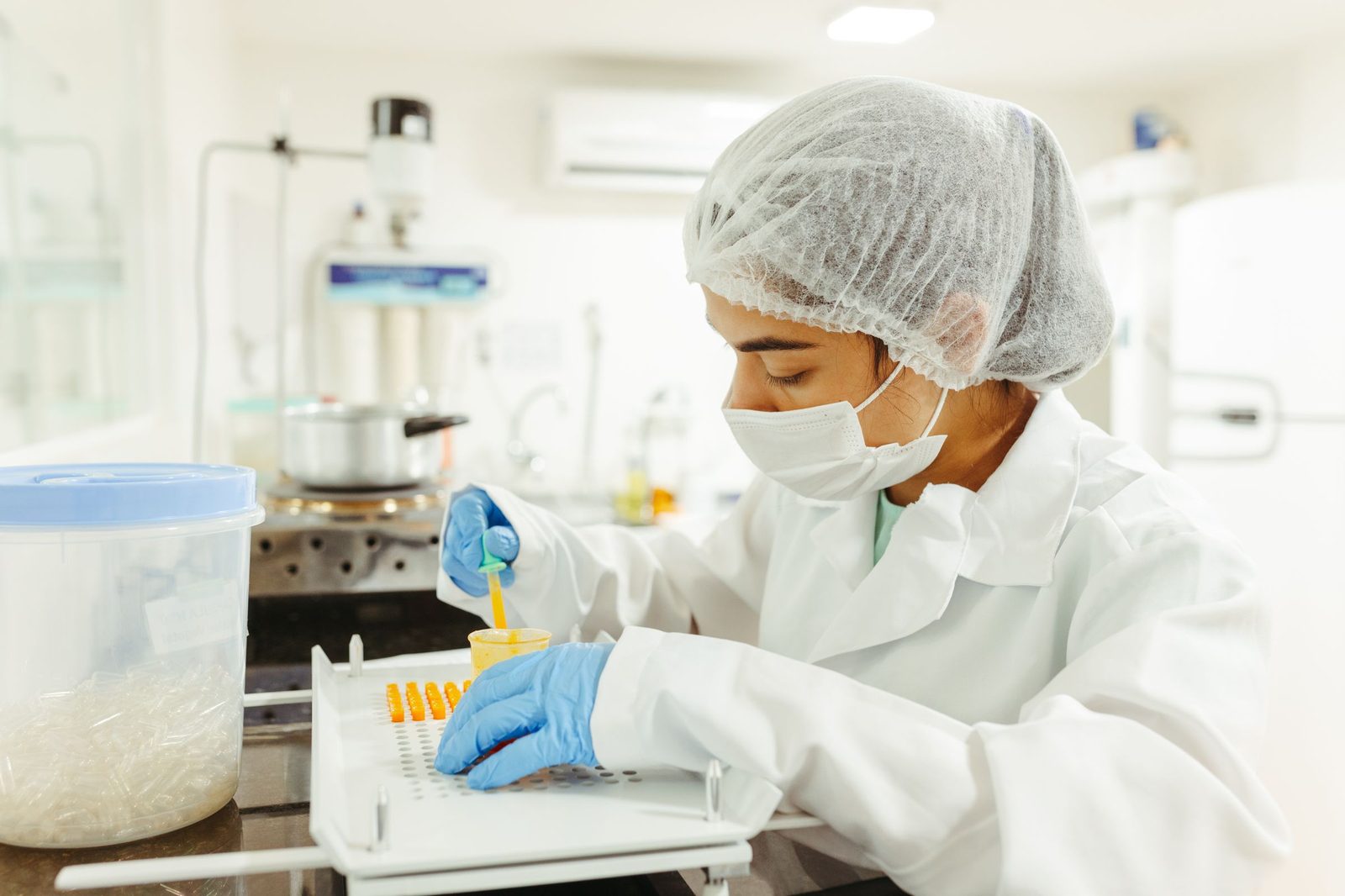
A scientist in a lab coat working with sample tubes and a microplate at a clean laboratory bench.
In vitro drug discovery · Changping, Beijing

Custom In Vitro Drug Discovery CRO

De novo assay design and screening, powered by ECHO, Biacore and HCA.

Who we are

De novo assays for novel and challenging targets

AXK Bio is a custom in vitro drug discovery CRO based in the Life Science Park in Changping District, Beijing. We build de novo biochemical and cell-based assays for targets that lack a commercial kit, then carry them through Biacore SPR biophysics and ECHO-powered high-throughput screening.

Every service line runs from the same laboratory against the same documentation standard, and the end of a programme produces non-GLP study data and reports that can support IND preparation — covering small molecules, peptides, antibodies and recombinant proteins.

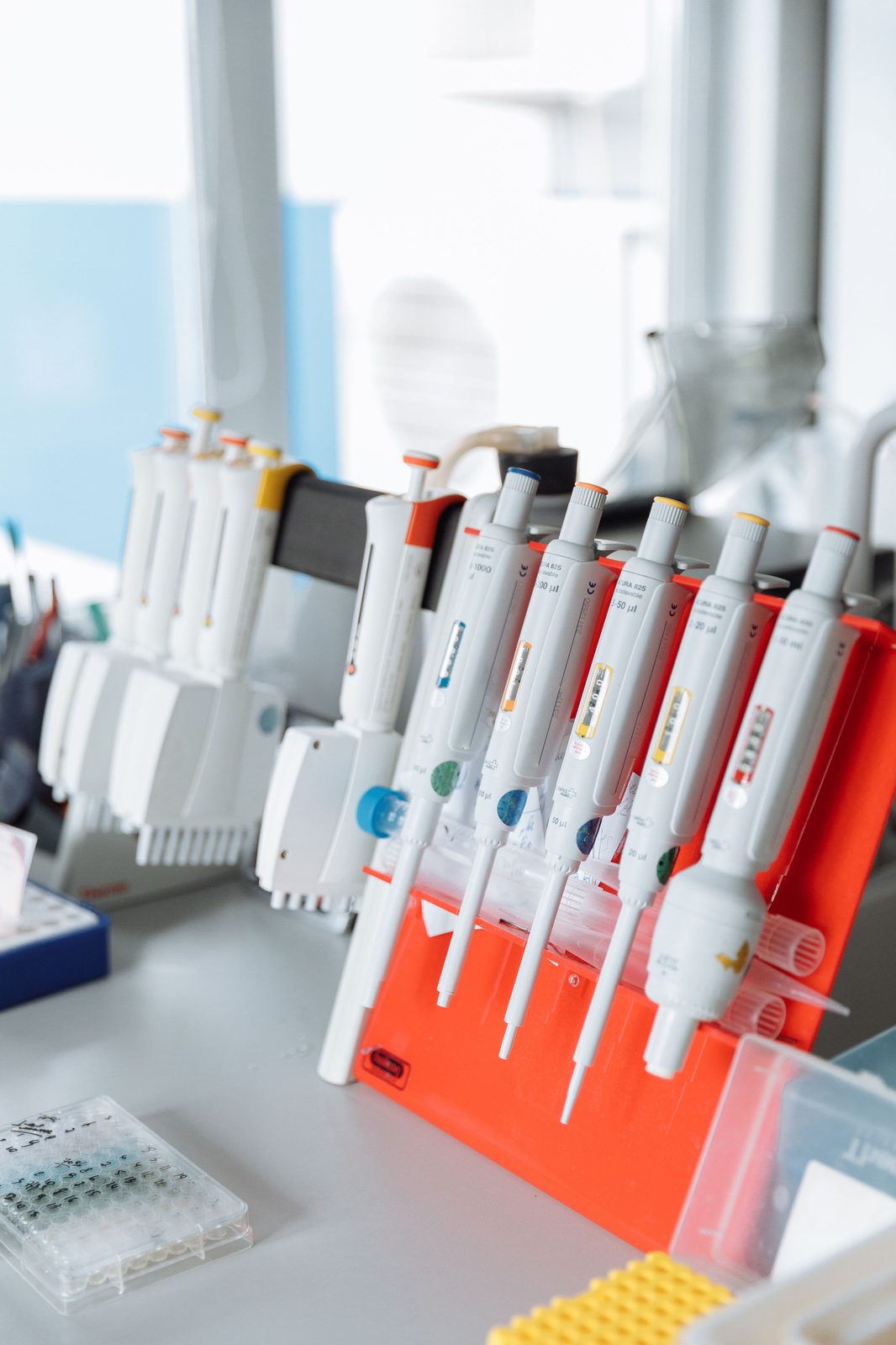
A laboratory workbench with a rack of pipettes and a microplate.
Services

Five service lines

Each line runs as a standalone study or as part of a programme that moves across several of them. Open any service for the assay formats, platforms and data deliverables it covers.

Capabilities

What we deliver

The six capabilities that define the work, from first assay design through to the IND-supporting report.

De novo custom assay development

De novo assay design, optimization and full validation for novel and challenging drug targets.

01

Miniaturized HTS & focused screening

High-throughput and focused screening on the ECHO acoustic liquid handler, with minimal compound consumption.

02

Biochemical & cell-based functional assays

Enzyme assays and cell-based functional assays, including GPCR readouts and phenotypic screening via HCA.

03

Biacore SPR biophysics

Biophysical binding kinetics and affinity characterization using Biacore surface plasmon resonance.

04

IND-supporting reporting

Project management, data analysis and non-GLP study reports supporting IND preparation.

05

Broad modality coverage

Services for small molecules, peptides, antibodies and recombinant proteins.

06
Technology & Platforms

Named instruments, real capability

Each platform is named on the service pages because its capability defines what the assay can do.

ECHO Acoustic Liquid Handler
Acoustic dispensing

ECHO Acoustic Liquid Handler

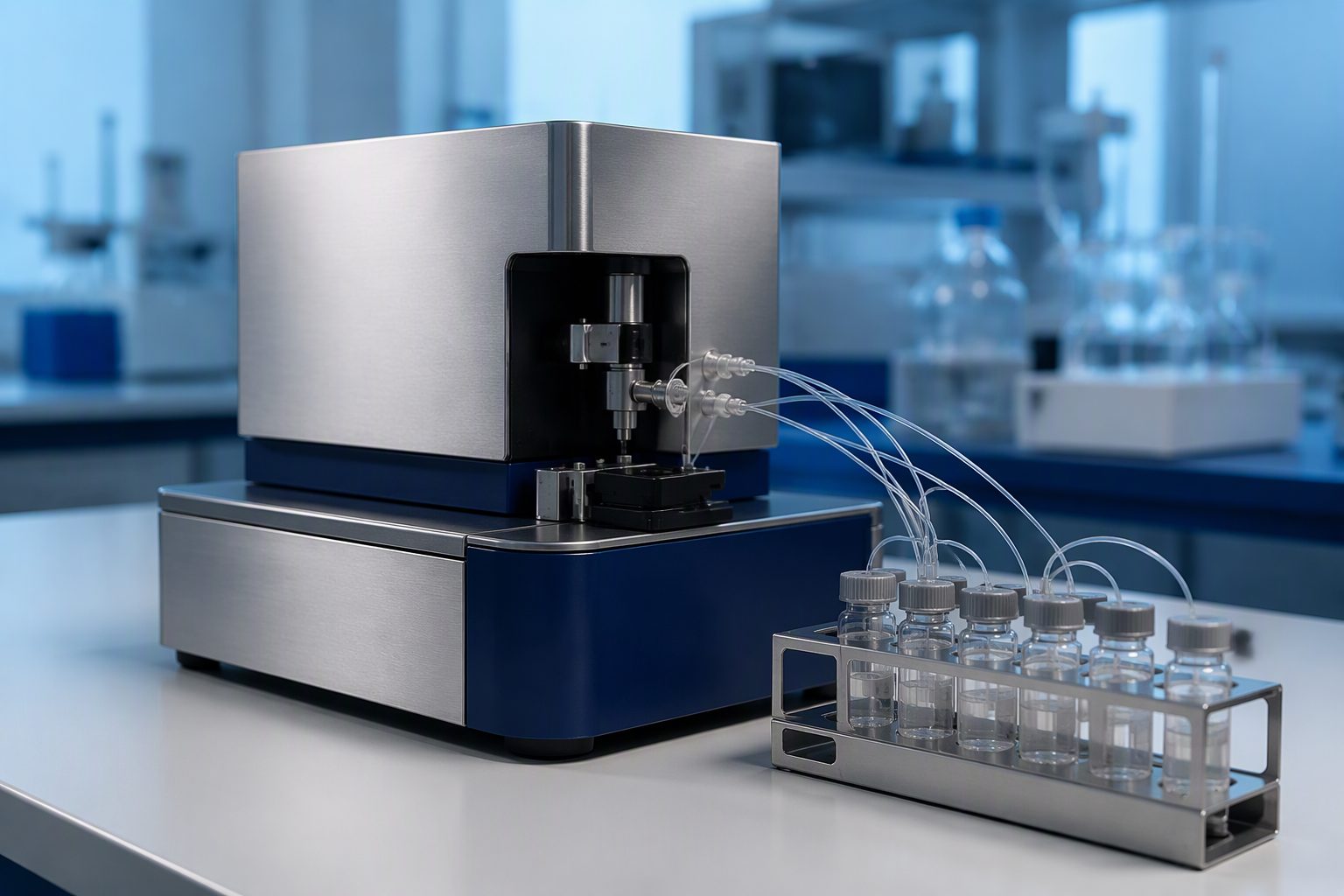
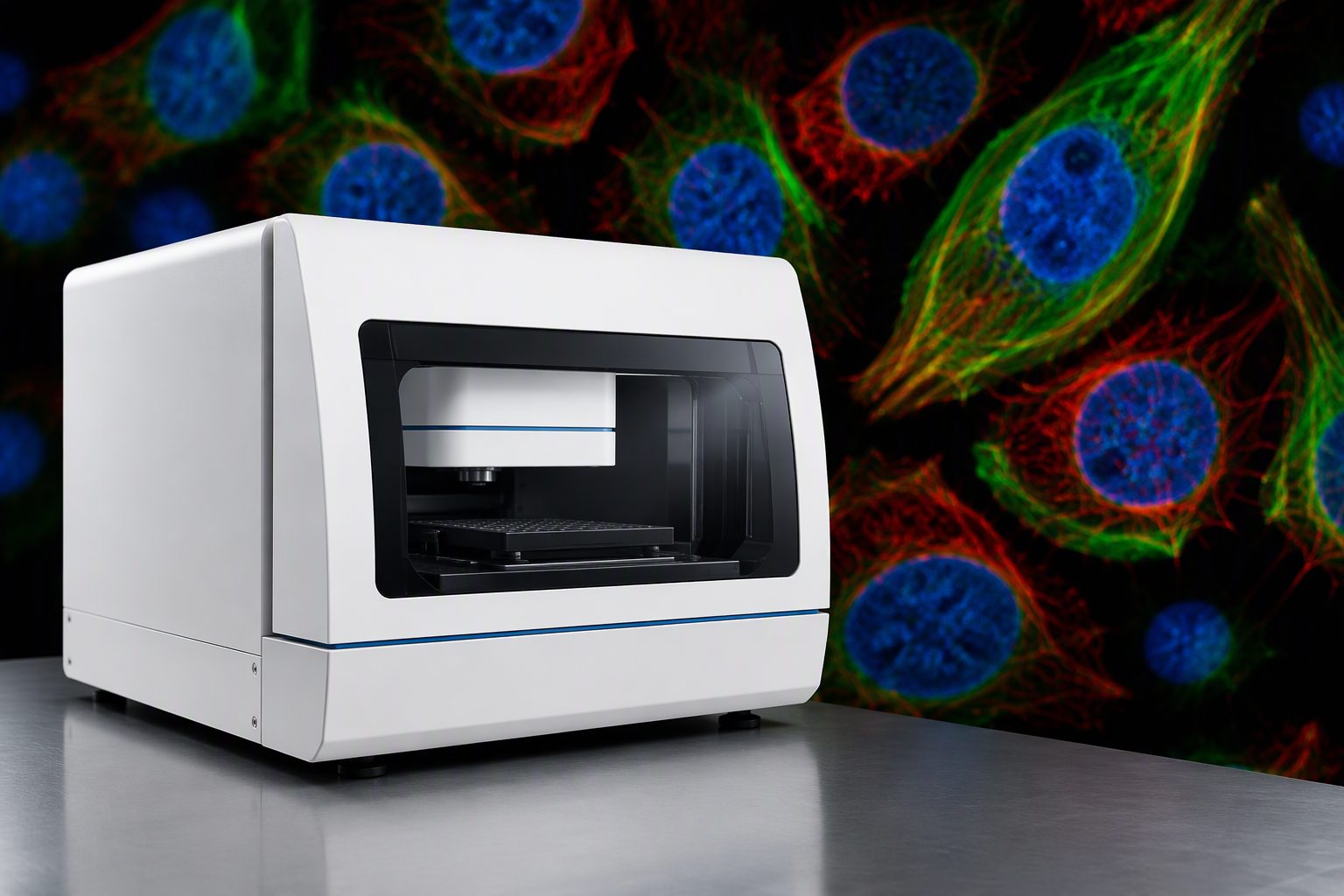
Tip-free transfer of compounds as acoustically generated nanolitre droplets. The absence of physical contact removes carryover and lets assays miniaturize into 384- and 1536-well formats with minimal compound consumption.

  • Tip-free, droplet-based compound transfer
  • 384- and 1536-well assay miniaturization
  • Minimal compound consumption for HTS and focused screening
  • Source plates stay sealed and reusable between runs
Biacore SPR
Surface plasmon resonance

Biacore SPR

Real-time, label-free binding measurement for protein–small-molecule, protein–protein and antibody–antigen interactions, reporting affinity and rate constants and supporting epitope and decoy mapping.

  • Affinity (KD) and kinetics (kon, koff)
  • Protein–small-molecule, protein–protein, antibody–antigen
  • Epitope and decoy mapping
  • Stoichiometry with reference-channel subtraction
High-Content Screening System (HCS)
Automated imaging

High-Content Screening System (HCS)

Automated multi-channel image acquisition with environmental control, reduced to per-cell measurements for phenotypic screening, subcellular localization, lipid-droplet quantification and cell-morphology analysis.

  • Phenotypic screening on multi-parametric features
  • Subcellular protein localization
  • Lipid-droplet formation quantification
  • Live-cell and fixed-endpoint protocols
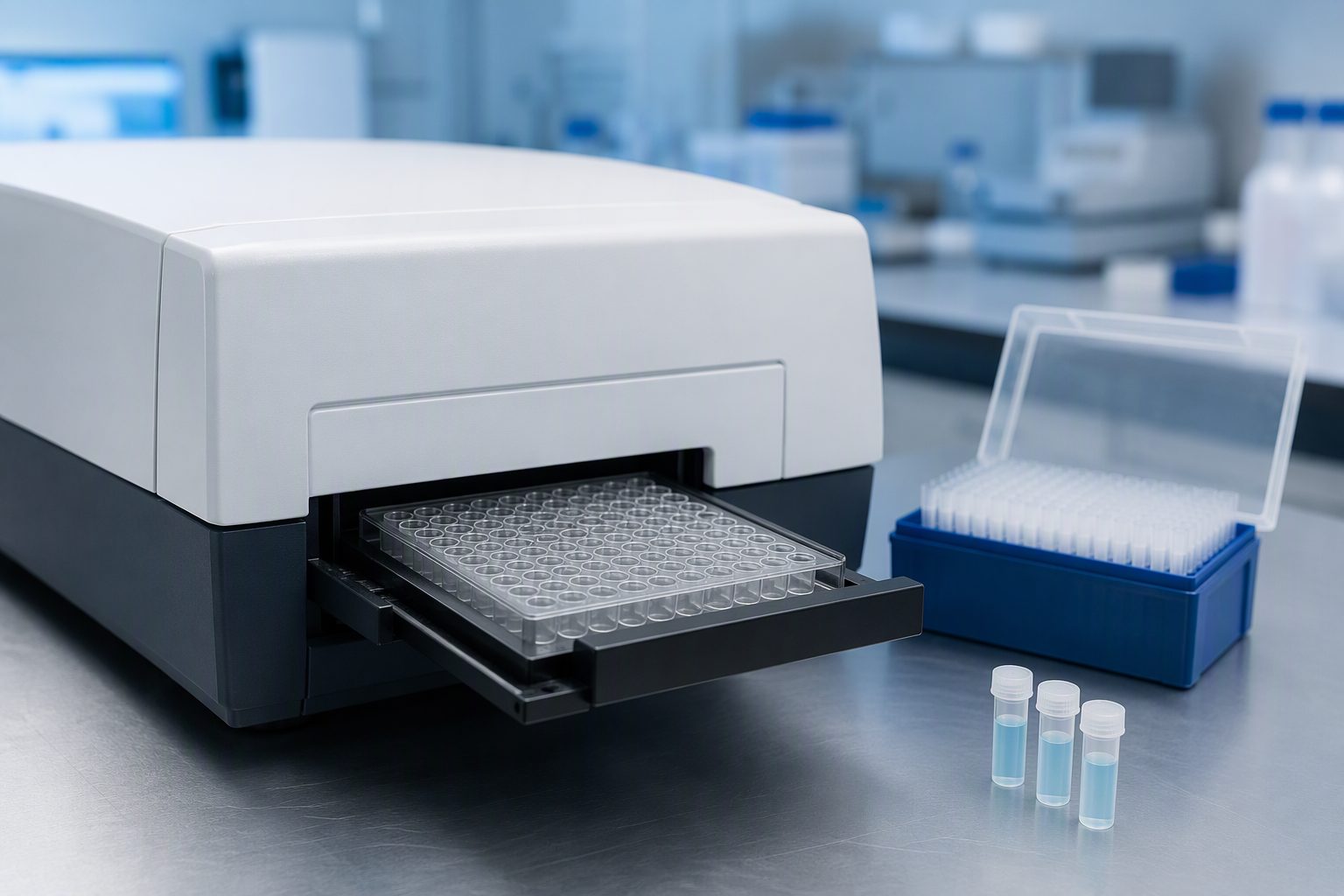
Multimode Microplate Readers
HTRF · AlphaLISA · FP · Luminescence

Multimode Microplate Readers

Multimode readers covering the homogeneous and classical detection formats used across the enzyme, cell and screening service lines.

  • HTRF — homogeneous time-resolved fluorescence
  • AlphaLISA — bead-based homogeneous detection
  • Fluorescence polarization (FP)
  • Luminescence, absorbance and fluorescence intensity
How we work

Four stages

Every study runs through the same four stages, whether it is a single assay or a programme spanning several service lines.

  1. 01

    Scope & assay design

    The decision the data has to support is identified first, then the de novo assay, format, replicate structure and controls are written into a study plan.

  2. 02

    Feasibility & optimization

    The assay is built and validated — linearity, signal window, control performance and Z′ — before any compound is tested.

  3. 03

    Screening & data acquisition

    Compounds, proteins or samples are run against the validated assay on ECHO and the detection platforms, with controls on every plate.

  4. 04

    Analysis & reporting

    Results are delivered with raw files, fitted IC₅₀ / EC₅₀ / KD values, methods and a non-GLP report that can support IND preparation.

Where we are

Beijing · Changping

The laboratory sits inside the Life Science Park in Changping District, north of central Beijing — a district built around research institutes, biotech companies and the laboratory infrastructure that supports them.

LaboratoryLife Science Park
Changping District, Beijing
China
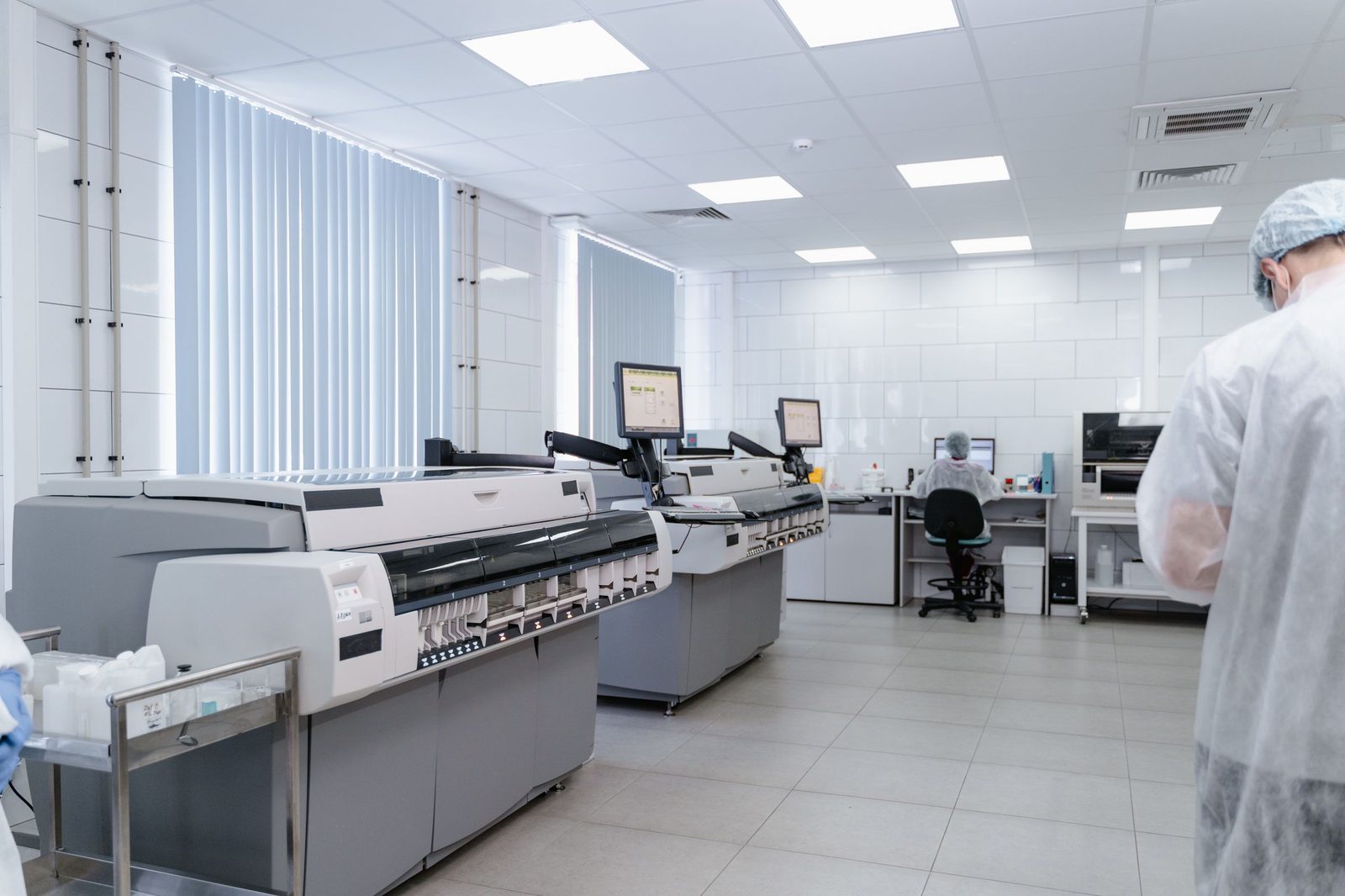
A modern laboratory interior with rows of analytical instruments and workstations.
Enquiry

Discuss a study

Send the target, the assay format you have in mind and the decision the data needs to support. If the scope is not yet settled, describe the question instead.

Laboratory

Life Science Park
Changping District, Beijing
China